History
Some of the earliest images of Korean dress come from wall paintings in tombs of the Goguryeo kingdom, one of the Three Kingdoms of ancient Korea. They show men and women in hip-length jackets tied at the waist, worn with trousers or pleated skirts, the same basic two-piece structure the hanbok still has. Over the following centuries, court dress was at times influenced by Chinese fashions and, during the Goryeo period, by the Mongol-ruled Yuan dynasty, while everyday clothing kept its own forms.
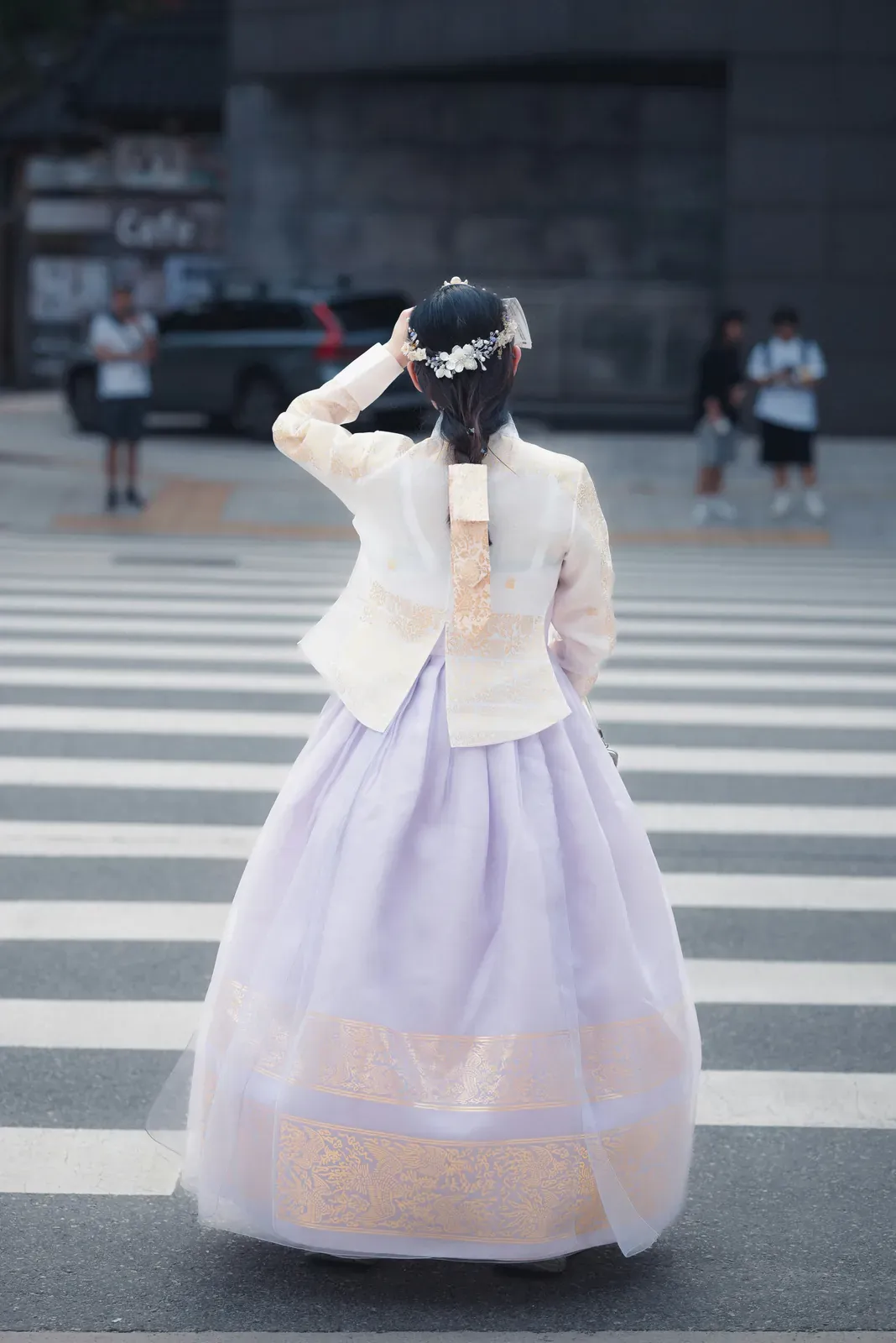
The hanbok as most people picture it took shape during the Joseon dynasty (1392–1897). Over this period the women’s jeogori became steadily shorter and more closely fitted, while the chima became fuller and was tied higher. The word hanbok itself is fairly recent: it came into use around the late 19th and early 20th centuries, to set Korean clothing apart from the Western dress that was spreading at the time. During the 20th century the hanbok gradually moved from everyday wear to clothing for holidays and ceremonies.
Parts of the hanbok
- Jeogori: the short jacket worn by women and men. It has a curved collar band (git), usually edged with a white strip (dongjeong) that was traditionally basted on so it could be removed for washing.
- Goreum: the two long ribbons that close the jeogori at the front. The way they are tied is one of the most noticeable details of an outfit.
- Chima: a women’s wrap skirt, gathered into pleats at a wide waistband and tied high. Underskirts (sokchima) give it its full, bell-like shape.
- Baji: loose trousers, worn mainly by men, tied at the waist and often at the ankles with bands called daenim.
- Durumagi: a long overcoat worn over the rest of the outfit when going outside or for formal occasions.
- Jokki and magoja: a vest and a short outer jacket, which became part of men’s hanbok in the late 19th century.
How it is worn
A woman’s hanbok is put on from the inside out. First come the underlayers, then the chima, which is wrapped around the body and tied with its waistband well above the waist. The jeogori goes on top, and the goreum are tied into a single loop with two long ends hanging down, a knot that takes some practice to get right. A norigae, a tasselled pendant, is often hung from the ties or the skirt band.
Men wear the baji with a jeogori, often adding a vest and an outer jacket, and put on the durumagi to go out. White cotton socks (beoseon) and shoes with gently upturned toes traditionally completed both outfits. Today many people wear hanbok with ordinary shoes, and rental outfits are often designed to be put on quickly, with simpler fastenings.
Styles and occasions today
Hanbok worn today falls roughly into three groups:
- Traditional hanbok, often tailor-made in silk, for weddings, a baby’s first birthday (dol), a parent’s 60th birthday (hwangap) and the big holidays.
- Modern everyday hanbok (saenghwal hanbok), with simpler cuts, shorter skirts and washable fabrics, worn by some people at work, for outings or as fashion.
- Rental hanbok, popular with tourists and young Koreans, especially for visits to Seoul’s royal palaces.
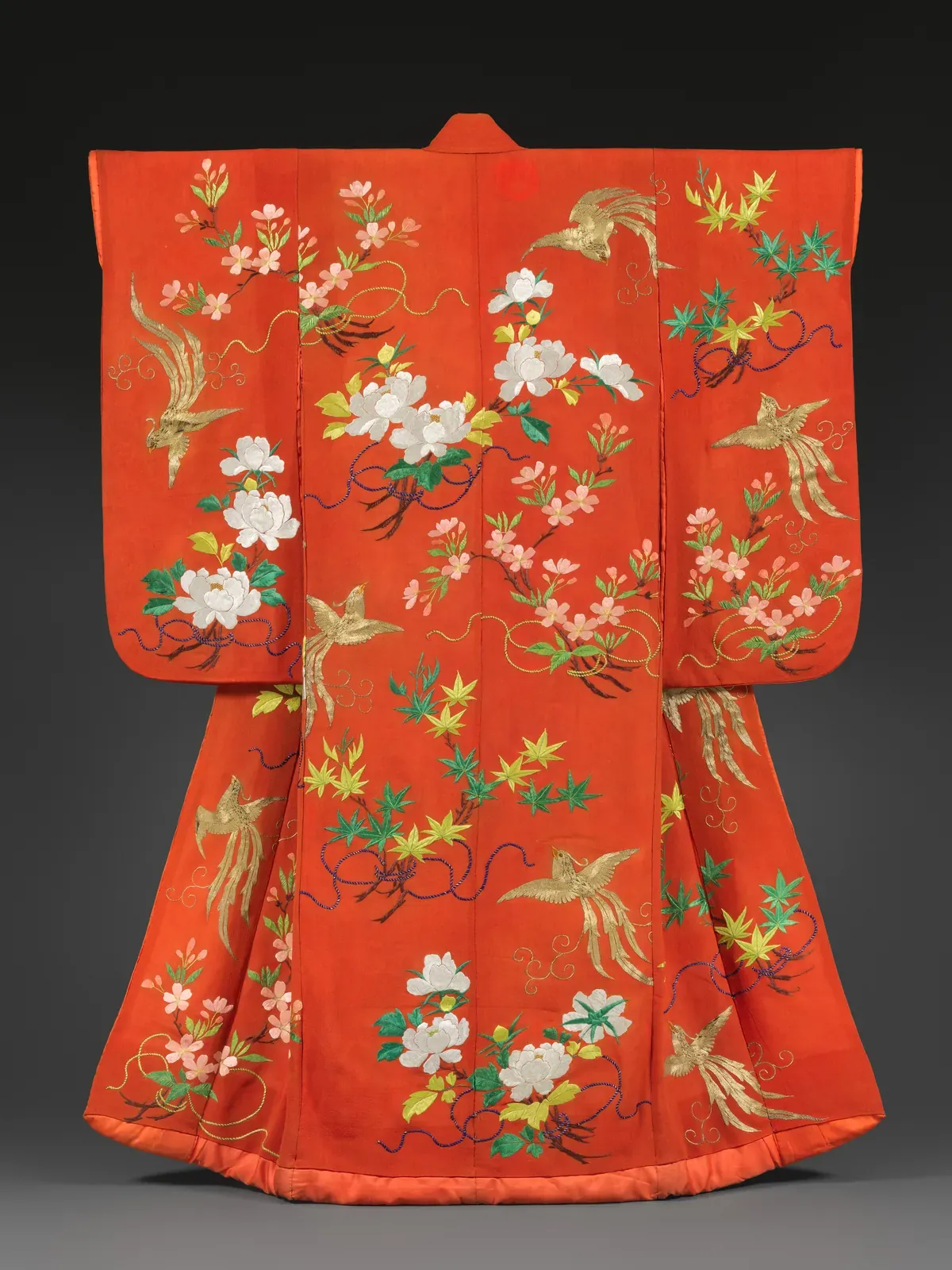
Families often wear hanbok for Seollal and Chuseok, and at many weddings the couple and their mothers wear it for part of the day. See traditional clothing in South Korea for wedding customs such as the pyebaek ceremony and the bridal hwarot. For other East Asian garments, see the kimono and the qipao.